
Piles, Fissures & Fistulas: Understanding Anorectal Conditions and Modern Treatment Options
A 38-year-old accountant in Dubai told his doctor he had been bleeding for almost a year before he made the appointment. He assumed it was piles, thought it would settle, then quietly stopped assuming and started worrying. By the time he sat in the consulting room he was anaemic, sleep-deprived, and convinced it was cancer. It wasn’t. It was a large internal haemorrhoid and a small chronic fissure, both easily treatable. What wasn’t easy was the twelve months of avoidance that came first.
His story is not unusual. Anorectal conditions, piles (haemorrhoids), anal fissures and fistulas, are among the most common problems seen by general surgeons and gastroenterologists in the UAE, yet they remain among the least discussed. Global reviews estimate that up to 50 percent of adults will experience haemorrhoidal symptoms at some point in life, and roughly 1 in 350 adults develops an anal fissure each year. Fistulas are rarer but far from unusual. The bigger problem is delay: surveys repeatedly show patients wait months, sometimes years, because of embarrassment.
Three conditions that get confused every day
People use the word “piles” for almost any pain or bleeding down there. That is understandable, but the three conditions behave very differently and need different treatment. Getting the diagnosis right is half the cure.
Haemorrhoids are swollen vascular cushions inside or around the anal canal. Internal piles usually cause painless bright red bleeding on the toilet paper or in the pan, sometimes with a feeling of something prolapsing. External piles can thrombose and become a hard, painful lump that appears overnight.
Anal fissures are small tears in the lining of the anal canal. The signature is sharp, tearing pain during a bowel movement that can last for an hour or more afterwards, often with a streak of fresh blood. Patients describe it as “passing glass”. Fear of the next bowel movement then worsens constipation, and the cycle deepens.
Anal fistulas are abnormal tunnels between the anal canal and the skin, usually the aftermath of an anal gland infection or abscess. The typical story is recurrent painful swelling near the anus, sometimes with pus or blood discharge that stains underwear. Unlike piles or fissures, fistulas do not heal on their own. They need surgery. Choosing an experienced fissure and fistula surgeon matters here, because incorrectly treated fistulas recur and can damage the sphincter.
Why so many people in the UAE develop them
Anorectal problems are not the result of bad luck. They track closely with lifestyle, and several of those risk factors are unusually concentrated in the Gulf. Long desk hours, heavy car use instead of walking, air-conditioned indoor life, low fibre intake, dehydration in a hot climate, and a coffee-heavy routine all raise the odds of chronic constipation, which is the root cause of most piles and fissures.
Pregnancy is another major trigger. The combined pressure of a growing uterus, hormonal effects on vein tone and post-delivery straining make haemorrhoids extremely common in the third trimester and the first months after birth. Heavy weight training with poor breathing technique, popular in the region’s gym culture, is a quieter contributor. So is prolonged sitting on the toilet with a phone: five extra minutes of straining each morning is enough to keep symptoms simmering for years.
Fistulas have a different pattern. Most begin as a cryptoglandular infection, an inflamed anal gland that turns into an abscess. Some are linked to inflammatory bowel disease. If Crohn’s disease is suspected, a full assessment by a gastroenterologist in the UAE is important before any surgery, because the underlying disease has to be controlled first or the fistula will come back.
What modern treatment actually looks like
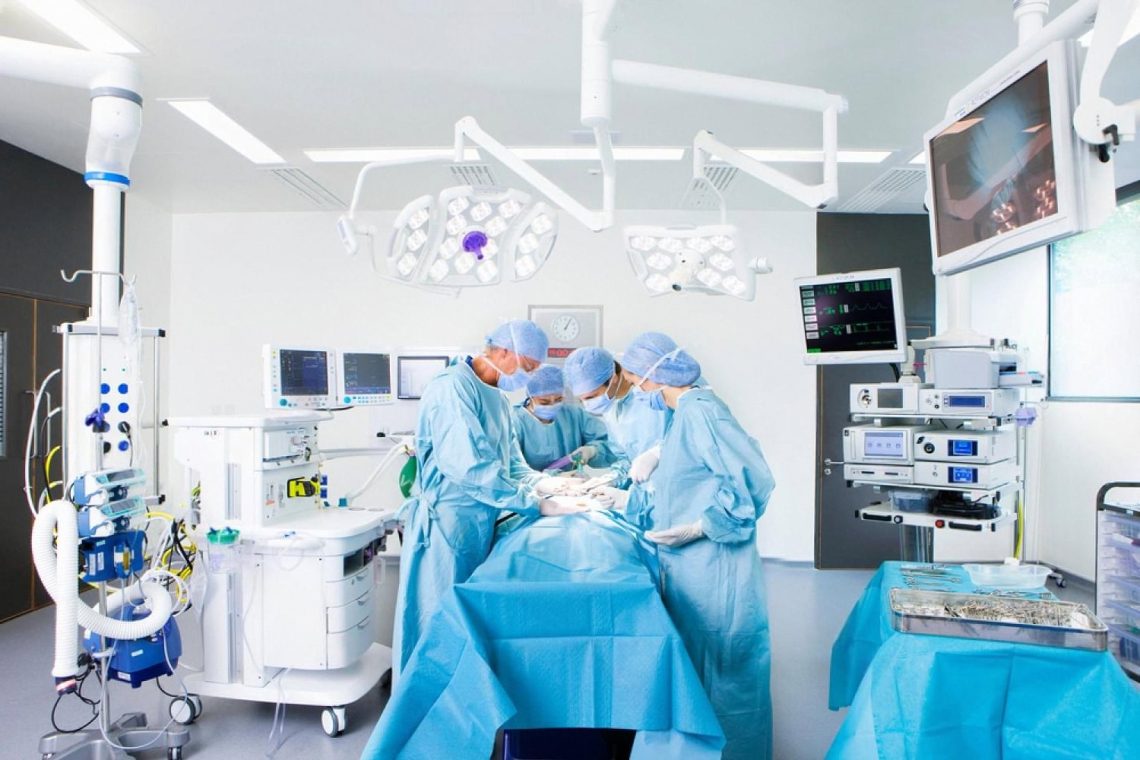
The reason patients delay is often a memory of what proctology looked like twenty years ago: painful surgery, a week in hospital, a long and unpleasant recovery. That picture is out of date. Most piles and fissures today are treated without a scalpel, and even fistula surgery has become far more sphincter-sparing.
For early haemorrhoids (grade 1 and 2), the first line is medical: fibre, water, stool softeners, topical creams, warm sitz baths, and a short course of prescription ointments if needed. If bleeding continues, office procedures such as rubber band ligation, sclerotherapy injection or infrared coagulation resolve most cases in one or two visits, with no anaesthetic and no time off work.
For larger piles (grade 3 and 4), minimally invasive options such as laser haemorrhoidoplasty (LHP) and stapled haemorrhoidopexy have largely replaced traditional open surgery. Patients typically go home the same day, walk normally within 24 hours and return to desk work in three to five days. Chronic anal fissures that don’t respond to ointments and calcium-channel blockers can be treated with botulinum toxin injection or a lateral internal sphincterotomy, both quick day-case procedures.
Fistula surgery is the most technique-sensitive of the three. The right procedure, fistulotomy, seton placement, LIFT, VAAFT, or laser fistula closure, depends on how the tract runs in relation to the sphincter muscles. This is where surgeon experience and pre-operative MRI imaging genuinely change the outcome.

Practical next steps
If you recognise yourself in any of the descriptions above, the following four steps cover most situations without over-complicating things.
Fix the plumbing first
Aim for 25 to 30 grams of fibre a day, two to three litres of water in UAE heat, and a short walk after meals. A psyllium husk supplement (Isabgol) once a day resolves a surprising number of mild cases within two weeks.
Change bathroom habits
No phones on the toilet. Under five minutes per visit. Go when you feel the urge, don’t hold it. Use a small footstool to raise the knees: it straightens the anorectal angle and dramatically reduces straining.
Know when home care ends
See a specialist if bleeding lasts more than two weeks, if pain persists after bowel movements, if you feel a lump that won’t reduce, or if you notice any discharge staining underwear. Any bleeding after 45, or with weight loss or family history of bowel cancer, needs a colonoscopy first.
Prevent the second episode
Most recurrences come from returning to the old routine after symptoms clear. Keep the fibre, keep the water, and manage stress: anxiety tightens the pelvic floor and reopens fissures. A yearly check with your doctor is enough for most patients.
The bottom line
Delay is the real problem, not the disease
Piles, fissures and fistulas are treatable, usually easily, almost always without the ordeal patients imagine. The one thing that consistently makes them worse is waiting. A ten-minute conversation with a specialist is shorter, cheaper and less embarrassing than another year of quiet worry.
Frequently asked questions
How do I know if I have piles, a fissure or a fistula?
The clue is usually in the symptom. Painless bright red bleeding with a lump that comes and goes points to haemorrhoids. Sharp, tearing pain during and after a bowel movement suggests a fissure. Recurrent swelling near the anus with pus or discharge staining underwear points to a fistula.
These conditions can also overlap, which is why a physical examination by a proctologist matters. Self-diagnosis is where most delays begin.
Can piles go away without surgery?
Yes, most cases can. Grade 1 and grade 2 haemorrhoids respond well to fibre, hydration, topical treatments and office-based procedures such as rubber band ligation or sclerotherapy. Surgery becomes the sensible option only when piles are large, prolapsing, or bleeding heavily enough to cause anaemia.
Is fistula surgery painful, and how long is the recovery?
Modern fistula procedures are usually day-case operations performed under short general or spinal anaesthesia. Discomfort is generally mild and controlled with simple painkillers. Most patients return to desk work within one week, though full healing of the tract can take four to six weeks depending on the technique used.
Sphincter-sparing methods such as LIFT, VAAFT and laser closure have made recovery significantly easier than traditional open fistulotomy.
Are these conditions common in the UAE?
Very. Clinics across Dubai, Abu Dhabi and Sharjah see anorectal complaints daily. Long working hours, sedentary desk jobs, low fibre intake and hot-climate dehydration all raise the risk of constipation, which is the underlying trigger for most piles and fissures.
When is bleeding a warning sign for something more serious?
Bright red blood on the paper is usually benign, but bleeding should never be assumed to be piles without an examination. Red flags include bleeding that lasts more than two weeks, dark or mixed-in blood, unintentional weight loss, a change in bowel habit, or any bleeding in a person over 45.
In those cases a colonoscopy is recommended before treating haemorrhoids, to rule out polyps or colorectal cancer.
Why do so many patients delay seeing a doctor?
Embarrassment is the biggest single reason. Studies from several countries show patients wait a median of 6 to 12 months before seeking help for anorectal symptoms, and women often wait longer than men. The irony is that early presentation almost always means simpler, non-surgical treatment, while delay is what pushes cases into the operating room.
Can piles and fissures come back after treatment?
They can, if the underlying cause is not addressed. Constipation, straining, prolonged toilet time and low fibre are the main drivers of recurrence. Patients who maintain the dietary and bathroom changes made during recovery have very low recurrence rates. Fistulas, when treated by an experienced surgeon with the right technique, have a success rate above 80 to 90 percent.

Jacob Lindsey
Fixie owner, shiba-inu lover, fender owner, Bauhaus fan and storyteller. Making at the crossroads of design and purpose to create strong, lasting and remarkable design. I sometimes make random things with friends.


You May Also Like

What Are the Top Qualities of a Professional interior Fit Out Company?

Popular Massage and Spa Treatment Services for Men